
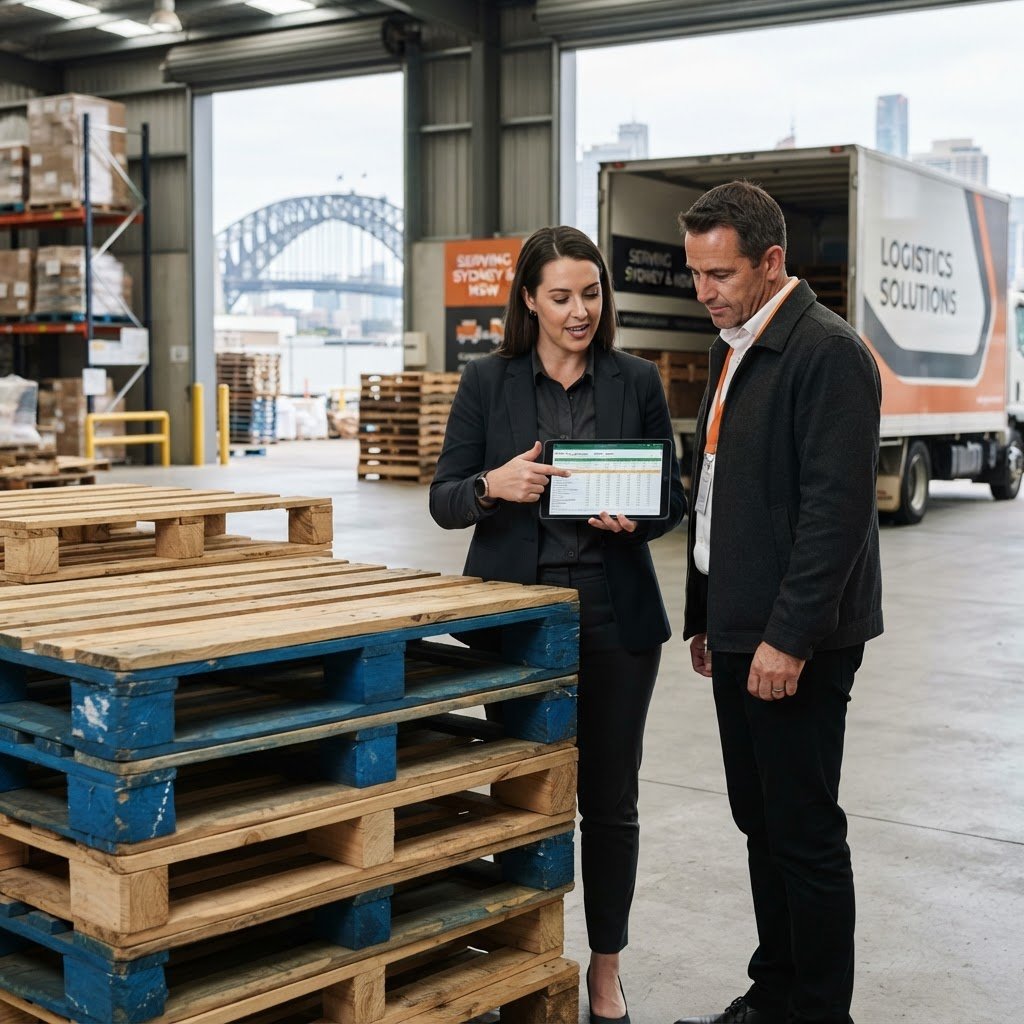
For many Sydney-based businesses, the humble pallet is the backbone of day-to-day operations. Yet, when it comes to managing your supply chain, one question consistently creates friction in the boardroom: should you invest in purchasing your own fleet, or is pallet hire in Sydney the smarter path to logistics cost optimisation?
Choosing the right supply model isn’t just about the immediate price of timber or plastic; it is about understanding your business’s cash flow, storage capacity, and the complexities of reverse logistics. Whether you are a boutique manufacturer in Western Sydney or a large-scale distributor operating out of Botany, finding the right balance is essential to maintaining healthy margins.
Understanding the True Cost of Pallet Ownership
When you opt to purchase pallets outright, the “cost” goes far beyond the initial invoice. Capital expenditure (CAPEX) requires upfront liquidity that could otherwise be directed into core business growth. Furthermore, owning pallets introduces hidden responsibilities that many business owners overlook until they become a burden.
You are responsible for repairs, maintenance, and the eventual disposal of damaged units. If you are handling international freight, you must also ensure your fleet meets strict ISPM 15 standards. As discussed in our guide on understanding ISPM 15 compliance for export pallets in Sydney, these regulatory costs can add up quickly, turning a seemingly ‘cheap’ asset into a compliance headache.
The Flexibility of Pallet Hire
Pallet hire in Sydney offers a compelling alternative for businesses with fluctuating demand. If your shipping volumes spike during the Christmas season or align with major retail promotions, hiring allows you to scale your asset pool up or down without the long-term commitment of ownership.
This model shifts your expenditure from CAPEX to operating expenses (OPEX). It essentially transforms a logistics necessity into a predictable monthly service fee. By relying on a reputable pallet supply in Sydney, you offload the headache of maintenance and quality assurance to the provider, ensuring you are always receiving compliant, safe equipment for your freight.
Comparison: Ownership vs. Rental
| Feature | Buying Pallets | Hiring Pallets |
|---|---|---|
| Upfront Cost | High (CAPEX) | Low (OPEX) |
| Maintenance | Business Responsibility | Provider Responsibility |
| Flexibility | Rigid | High scalability |
| Storage | Requires dedicated space | On-demand delivery |
| Regulatory Compliance | Managed by you | Managed by provider |
Logistics Cost Optimisation: When Does Each Model Make Sense?
To determine the best path, consider your operational footprint. If your business operates a closed-loop system—where you ship to the same reliable customers and have a robust process for retrieving your empties—buying may offer a better long-term return on investment. However, if your supply chain is fragmented or involves long-distance shipping, the recovery costs of your own assets can quickly outweigh the savings.
Many Sydney businesses find that a hybrid approach—owning a core ‘buffer’ stock while hiring for surges—is the key to balancing logistics cost optimisation. For those managing reverse logistics, we recommend reviewing our tips on mastering reverse logistics and managing empty pallet returns in Sydney to see if your current recovery process supports a purchase model.
The Impact of Sydney’s Geography on Your Pallet Strategy
Sydney’s unique urban landscape impacts logistics heavily. From the traffic bottlenecks around the M5 to the strict loading dock requirements in inner-city industrial precincts, having a reliable pallet supply partner nearby is critical. Whether you choose to buy or hire, the reliability of your supplier determines the speed of your dispatch. When delays strike, it isn’t just about the pallet—it’s about the missed deadlines that can hurt your reputation with major retail partners.
Conclusion
There is no one-size-fits-all answer to the buy vs rent pallets Sydney debate. It requires a hard look at your internal resources, your storage footprint, and your appetite for administrative oversight. If you prioritise cash flow flexibility and want to eliminate the burden of maintenance, hiring is likely your best strategic move. If you have the scale and the infrastructure to manage a self-contained fleet, ownership offers the potential for long-term cost reduction.
Regardless of your choice, consistency in quality is non-negotiable. Ensure that your logistics partner understands the specific demands of your industry and the regulatory environment of NSW. By aligning your pallet strategy with your broader business goals, you move away from viewing logistics as a cost centre and start seeing it as a competitive advantage.
Frequently asked questions
Is it cheaper to buy or rent pallets in Sydney?
It depends on your scale and operational model. Buying is often cheaper long-term for high-volume, closed-loop supply chains, while renting provides superior flexibility and lower upfront capital expenditure for businesses with fluctuating needs.
What are the hidden costs of owning my own pallets?
Beyond the purchase price, ownership costs include storage space, ongoing repairs and maintenance, insurance, the administrative burden of tracking assets, and ensuring compliance with ISPM 15 standards for international freight.
Why would a Sydney business choose pallet hire over buying?
Pallet hire is ideal for Sydney businesses that need to scale up quickly during peak seasons, want to avoid the capital burden of purchasing large quantities, or wish to outsource the maintenance, quality control, and compliance of their equipment.
Ready to move your freight?
Fast, reliable pallet transport across Australia — get pricing in minutes.