
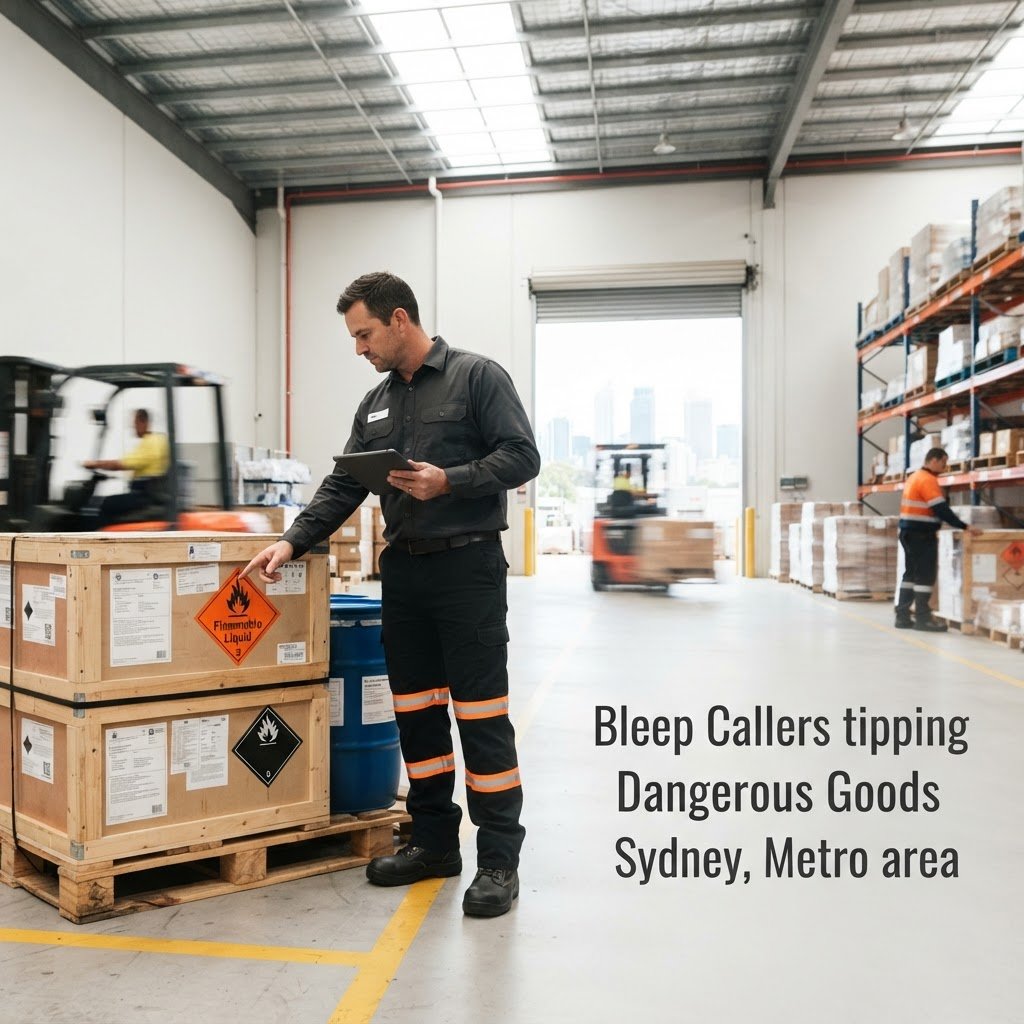
Navigating the logistics of transporting dangerous goods in Sydney is a critical responsibility for any business owner or operations manager. Whether you are dealing with industrial chemicals, flammable liquids, or toxic substances, the regulatory framework governing hazardous material transport is designed to keep our roads and communities safe. Failure to comply with these stringent laws can lead to severe penalties, environmental damage, and significant risks to public safety.
Understanding the Legal Landscape of Dangerous Goods in NSW
In New South Wales, the transportation of dangerous goods is heavily regulated to ensure consistency and safety. The primary legislative instrument is the Dangerous Goods (Road and Rail Transport) Regulation 2022, which adopts the Australian Code for the Transport of Dangerous Goods by Road & Rail (ADG Code). This code provides the technical requirements for the classification, packaging, and transport of hazardous substances.
For businesses in Sydney, it is essential to recognise that dangerous goods freight requirements are not just ‘best practices’—they are legally enforceable standards. From identifying the UN number of your shipment to ensuring your logistics partner is fully licensed, every step must align with state and federal laws overseen by the National Heavy Vehicle Regulator (NHVR).
Step 1: Classification and Documentation
Before any goods are loaded, you must correctly classify the cargo. Dangerous goods are categorised into nine distinct classes. Once classified, you are required to prepare a transport document, which must be carried in the vehicle at all times. This document serves as a ‘passport’ for your goods, detailing the proper shipping name, class, UN number, and emergency procedures in the event of a spill or accident.
| Class | Description | Examples |
|---|---|---|
| Class 3 | Flammable Liquids | Petrol, certain solvents |
| Class 5.1 | Oxidising Substances | Hydrogen peroxide |
| Class 8 | Corrosives | Acids, alkalis |
| Class 9 | Miscellaneous | Lithium batteries |
Step 2: Proper Packaging and Labelling
Packaging is your first line of defence. Using substandard containers for hazardous materials is a recipe for disaster. Containers must be UN-approved and designed to withstand the rigours of transit, including vibration and potential drops. If you are shipping goods on pallets, ensuring the integrity of your load is paramount—you can find helpful tips on securing your palletised freight here to prevent shifting during transit.
Every package must be clearly labelled with the appropriate dangerous goods diamond, indicating the class of the hazard. This ensures that in the event of a roadside inspection or an emergency, first responders can quickly identify the risks involved.
Step 3: Adhering to AS1940 Standards
For businesses dealing with flammable and combustible liquids, the AS1940 standards transport guidelines are the industry benchmark. AS1940 governs the storage and handling of these materials to minimise fire risks. When preparing shipments, ensure your internal processes mirror the rigour required during the actual transport phase. If you are uncertain about your logistics capacity, it is often safer to outsource your supply chain needs to professionals who specialise in efficient pallet delivery and management.
Step 4: Driver Training and Vehicle Placarding
Shipping hazardous materials in Sydney requires more than just a standard freight service. Vehicles transporting dangerous goods must display correct placarding—large diamonds on the front, back, and sides—so they are identifiable from a distance. Furthermore, the driver must possess a current Dangerous Goods Driver Licence. This ensures that the person behind the wheel understands how to respond to incidents and is trained in the specific safety protocols required for the load.
Conclusion: Prioritise Compliance for Long-Term Success
Transporting dangerous goods is a complex task, but with a structured approach, your business can remain compliant and safe. From correct classification to working with experienced logistics partners, every decision counts. By treating safety as a core pillar of your operations rather than a box-ticking exercise, you protect your staff, your customers, and the community at large.
Frequently asked questions
What is the primary legislation for transporting dangerous goods in NSW?
The transport of dangerous goods in NSW is governed by the Dangerous Goods (Road and Rail Transport) Regulation 2022, which aligns with the national Australian Code for the Transport of Dangerous Goods by Road & Rail (ADG Code).
Do all drivers need a special licence for dangerous goods?
Yes, if the quantity of dangerous goods transported exceeds certain threshold amounts specified in the ADG Code, the driver must hold a current Dangerous Goods Driver Licence.
What should be included on a dangerous goods transport document?
A transport document must include the UN number, the proper shipping name of the goods, the dangerous goods class, the packing group, and the emergency contact details in case of an incident.
Ready to move your freight?
Fast, reliable pallet transport across Australia — get pricing in minutes.