
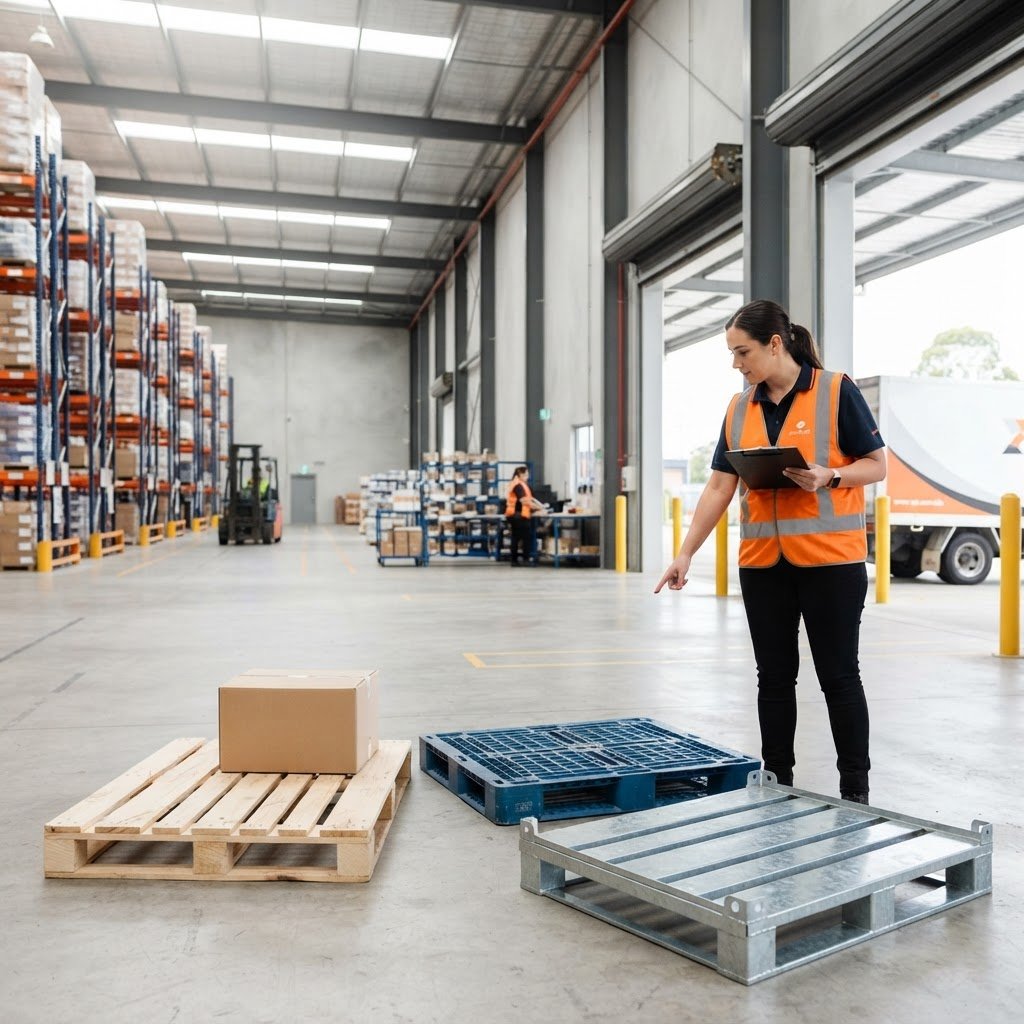
When it comes to logistics, the humble pallet is often the most overlooked component of the supply chain. Many businesses assume that one pallet is much the same as another, leading to a “one-size-fits-all” approach that can cause costly transit damage or compliance headaches. If you are currently in the market for freight solutions, choosing the right pallet type requires moving past the common myths that have long dominated the industry.
Debunking the ‘Timber is Always Best’ Myth
A common misconception in the logistics world is that timber pallets are inherently inferior to their synthetic counterparts due to their weight and potential for splintering. While it is true that plastics have gained ground, timber remains the gold standard for many applications. Sustainable, repairable, and cost-effective, timber is not just a legacy material; it is a high-performance workhorse. For businesses in Sydney looking for cost-efficient transit options, timber pallets offer the best return on investment for one-way shipping.
Plastic Pallets: Not Just for Cleanrooms
Another myth we often hear is that plastic pallets are strictly for the pharmaceutical or food industries where hygiene is the primary concern. While their non-porous nature makes them ideal for wash-down environments, they also offer incredible consistency for automated handling systems. If you are searching for heavy duty pallets in Sydney that need to withstand high-rack storage over long periods, plastic provides a uniform, weather-resistant solution that won’t rot or attract pests.
Material Comparison: Quick Reference Guide
Choosing pallets for logistics involves balancing strength, environment, and budget. Use the table below to compare how each material performs under typical Australian conditions.
| Material | Durability | Best Use Case | Environmental Impact |
|---|---|---|---|
| Timber | High (Repairable) | Export & General Freight | Biodegradable/Renewable |
| Plastic | Very High | Food, Pharma, Storage | Recyclable |
| Metal | Extreme | Heavy Machinery/Foundry | Highly Recyclable |
The Truth About Metal Pallets
Some businesses fear that metal pallets are overkill for general freight. While it is true that you wouldn’t use them for lightweight, low-value goods, metal pallets are a vital asset for specific industrial logistics. They are unmatched when it comes to fire safety and extreme weight bearing. If you are moving heavy equipment across NSW, metal provides the rigidity that prevents the flexing often seen in lighter materials, ensuring your freight stays stable during transit.
Factors to Consider for Your Sydney Operations
Beyond the material, you must consider the specific demands of the NSW transit environment. Are you shipping locally via a tail-lift truck, or are you preparing goods for international export? Compliance with ISPM 15 standards for timber is non-negotiable for international shipments. For local movements, focusing on pallet dimensions and weight limits is more critical to avoid unnecessary surcharges from carriers. Selecting the right pallet material is about aligning the physical properties of the unit with the specific risk profile of your cargo.
Conclusion: The Strategic Choice
The decision between timber, plastic, or metal isn’t about finding the “best” material; it’s about choosing the right tool for the job. By ignoring the myths and focusing on your load requirements, budget, and transit environment, you can significantly reduce your logistics overheads and improve freight security. Whether you are stocking your warehouse or preparing for a major dispatch, taking the time to match the pallet to the freight is the smartest move you can make for your bottom line.
Frequently asked questions
Is timber still a good choice for modern logistics?
Yes, timber remains the most cost-effective and versatile option for many Australian businesses, especially for one-way transport and general goods.
When should I switch to plastic pallets?
You should consider plastic if you operate in a high-hygiene environment, require weather resistance, or use highly automated racking systems where weight and size consistency is critical.
Are heavy-duty metal pallets necessary for general freight?
Generally no. Metal pallets are typically reserved for extreme weight, high-temperature, or fire-sensitive environments where timber or plastic would fail.
Ready to move your freight?
Fast, reliable pallet transport across Australia — get pricing in minutes.