
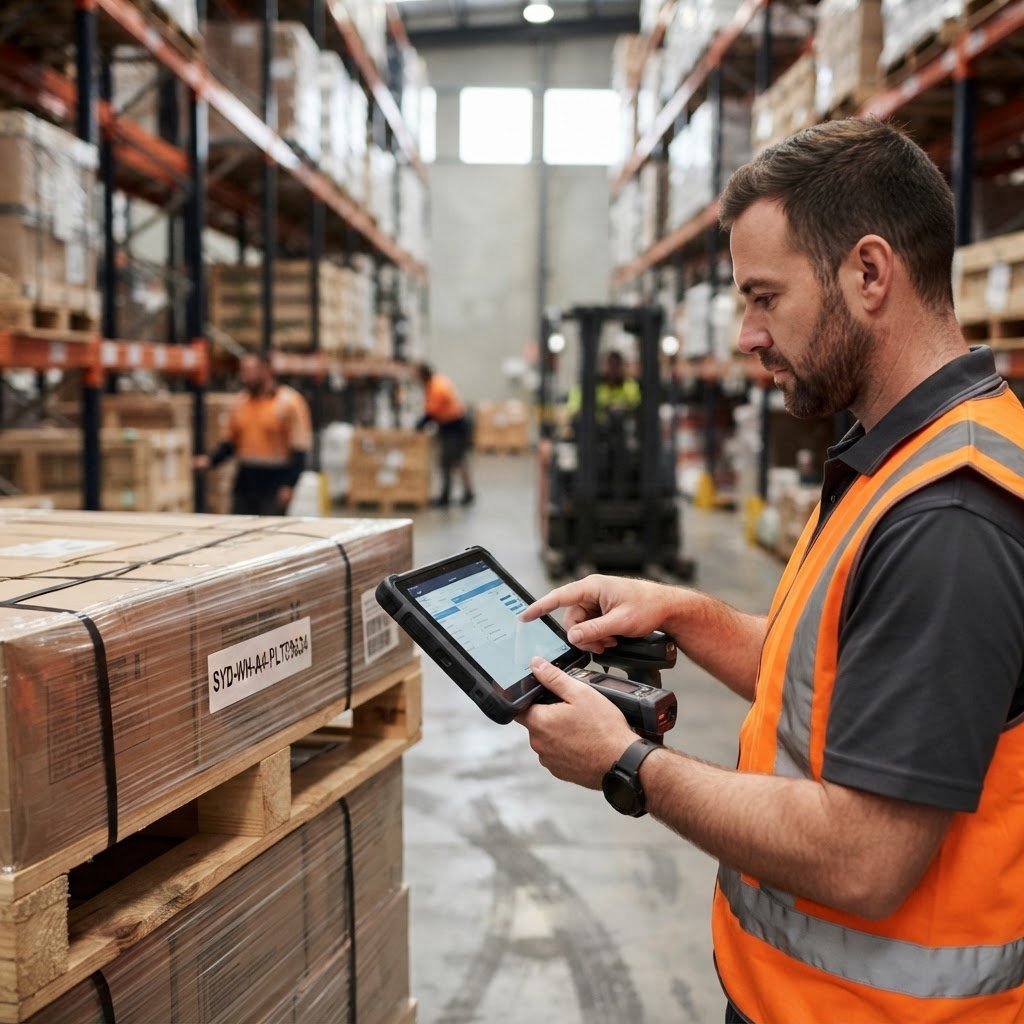
For any warehouse manager in Sydney, the humble pallet is the backbone of operational success. Yet, when pallet inventory management becomes disjointed, it can lead to costly delays, lost assets, and significant bottlenecks in your supply chain. Whether you are operating a bustling distribution centre in Western Sydney or managing a niche logistics facility near Port Botany, mastering your stock control is essential for maintaining a competitive edge.
1. Standardise Your Pallet Inventory Tracking
The most common pitfall in warehouse stock control is the reliance on manual spreadsheets or outdated tracking methods. Implementing a robust pallet tracking system is the first step toward visibility. By digitising your movements, you can monitor pallet counts in real-time, helping you identify discrepancies before they impact your bottom line. Ensure your staff use uniform labelling and scanning procedures for every palletised freight movement to maintain data integrity across the site.
2. Optimising Warehouse Storage and Layout
Efficient space utilisation is about more than just stacking higher; it is about accessibility and safety. When optimising warehouse storage, consider the ‘flow’ of your pallets. Fast-moving goods should be located near dispatch zones to reduce travel time for forklifts, while slow-moving stock can be stored in higher or more distant racking. If you are struggling with spatial constraints, refer to our guide on optimising warehouse flow to better coordinate your racking systems with daily delivery schedules.
3. Implement Routine Audits and Reconciliation
In the fast-paced environment of NSW logistics, it is easy for pallets to ‘go missing’ or be left unrecorded on a loading dock. Schedule weekly or fortnightly stocktakes to reconcile your physical counts against your digital tracking system. These audits are vital for identifying damaged stock early—a key component of professional palletised freight management. If you notice a high rate of damage, it may be time to reassess your pallet supply standards and hardware quality.
4. Managing Pallet Quality and Compliance
Not all pallets are created equal. Using the correct base for your specific goods is non-negotiable for safety and efficiency. The following table compares common pallet types used across Sydney warehouses:
| Pallet Type | Primary Use | Load Capacity |
|---|---|---|
| Standard Australian (CHEP/Plain) | General Freight | Up to 1000kg |
| Euro Pallet | International Export | Up to 1500kg |
| Heavy Duty Skid | Machinery/Bulk Equipment | 1500kg+ |
Ensuring you use the right equipment not only preserves your stock but also keeps your Chain of Responsibility obligations met under Australian transport regulations.
5. Training Staff on Pallet Handling Best Practices
Technology is only as good as the people operating it. Investing in team training for pallet inventory tips—such as correct stacking heights, shrink-wrapping techniques, and load weight distribution—pays dividends in reduced breakage and smoother logistics. When your team understands why inventory accuracy matters, they are more likely to support the systems you put in place to manage it.
By treating pallet management as a strategic asset rather than a peripheral task, Sydney businesses can significantly reduce overheads and improve throughput. Start by reviewing your current tracking gaps today and streamlining how your team handles incoming and outgoing freight.
Frequently asked questions
What is the best way to track pallet inventory in a busy Sydney warehouse?
The best approach is to implement a digitised pallet tracking system rather than relying on paper-based records. Ensure all staff are trained in scanning or logging every pallet movement at the point of receipt and dispatch.
How often should I conduct pallet inventory audits?
For most Sydney warehouses, a weekly or fortnightly cycle count is recommended to ensure your digital records match your physical inventory and to identify any damaged units early.
Does warehouse layout affect pallet inventory efficiency?
Yes, optimising your warehouse storage layout by placing high-turnover items near dispatch areas reduces the time spent moving pallets, which minimises the risk of transit damage and increases overall throughput.
Ready to move your freight?
Fast, reliable pallet transport across Australia — get pricing in minutes.