
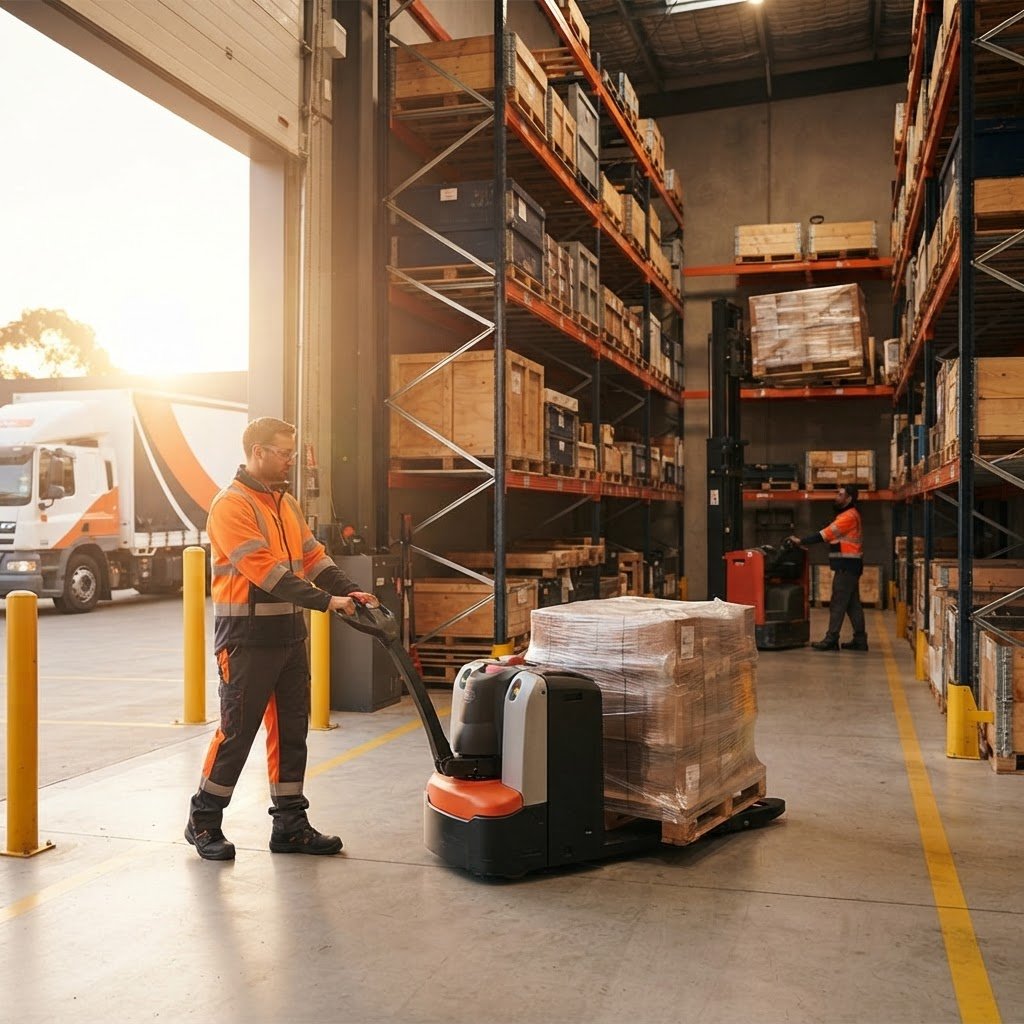
In the fast-paced world of warehouse logistics Sydney, the difference between a high-performing facility and a bottlenecked operation often comes down to the synchronisation between inbound freight and internal storage. When pallet delivery and storage are treated as separate, isolated events, inefficiency creeps in. To stay competitive across NSW, businesses must master the art of aligning their transport arrivals with their racking capacity.
The Critical Link Between Unloading and Stacking
The biggest mistake warehouses make is viewing a delivery as a ‘done deal’ the moment it hits the loading dock. True pallet racking efficiency starts before the truck even backs into your bay. By coordinating your palletised freight management with your floor plan, you reduce double-handling—the primary thief of warehouse time and labour costs.
The Flow Protocol: A Comparison of Approaches
Depending on your current infrastructure, your approach to incoming stock should adapt to suit your space constraints.
| Approach | Benefit | Best For |
|---|---|---|
| Direct-to-Rack | Minimal double-handling | High-velocity stock |
| Staging-to-Rack | Allows for quality checks | Fragile or bulk items |
| Cross-Docking | Rapid turnaround | Just-in-time inventory |
Optimising Space for Seamless Receiving
If your team is constantly moving pallets out of the way just to fit new arrivals, you are losing money on every manoeuvre. Ensure your racking systems are labelled and mapped to match your digital inventory system. This is especially important when coordinating express pallet delivery, where speed is the priority. If the forklift operator knows exactly which slot is open, the transition from truck to rack becomes a continuous motion.
Aligning Delivery Schedules with Labour Availability
Sydney traffic is notorious for causing delays, which can disrupt even the most perfectly planned warehouse flow. Coordination isn’t just about space; it is about timing. Communicate your operational windows clearly with your transport provider. If you expect a high volume of palletised freight, schedule your deliveries to coincide with off-peak hours for your floor staff. This prevents the loading dock from becoming a congestion point that halts internal replenishment.
Safety First: Compliance in High-Density Storage
Every movement of a pallet carries risk. When coordinating heavy loads, adherence to SafeWork NSW guidelines is non-negotiable. Ensure that your rack load signs are visible and that your team understands the weight limits before attempting to put away incoming pallets. Proper training on how to handle different bases—such as the differences explained in our guide on skid vs pallet selection—can prevent catastrophic racking damage and ensure a safer, more predictable flow.
Technology-Driven Coordination
Modernising your warehouse logistics means leveraging data. Use your inventory management software to trigger ‘put-away’ tasks automatically as soon as a delivery is confirmed. By integrating your transport notifications with your internal storage system, you create a responsive environment where space is always ready for the next shipment. Streamlining warehouse dispatch is only half the battle; the incoming side requires the same level of digital oversight to maintain true balance.
Final Thoughts on Warehouse Synergy
Optimising your facility is a constant process of refinement. Whether you are dealing with local Sydney deliveries or larger regional freight, the goal remains the same: minimal touchpoints, clear communication, and a deep understanding of your racking limits. By treating transport and storage as a single, unified ecosystem, you turn your warehouse from a cost centre into a strategic advantage.
Frequently asked questions
What is the best way to reduce double-handling of pallets?
The most effective way is to implement a ‘direct-to-rack’ system where inventory is moved from the transport vehicle directly to its assigned racking slot, avoiding intermediate staging areas.
How can Sydney traffic impact my warehouse flow?
Unexpected traffic delays can bunch up deliveries, overwhelming your loading dock. Providing your transport provider with clear, realistic delivery windows and using a flexible scheduling system helps manage these inconsistencies.
Why is pallet type important for racking efficiency?
Different pallet bases (e.g., standard Chep vs. skids) distribute weight differently and may require specific handling techniques. Knowing your equipment needs helps your forklift operators work faster and safer.
How often should I review my palletised freight management?
You should audit your intake and storage flow at least twice a year, or whenever you change your inventory mix or racking configuration, to identify new bottlenecks.
Ready to move your freight?
Fast, reliable pallet transport across Australia — get pricing in minutes.