
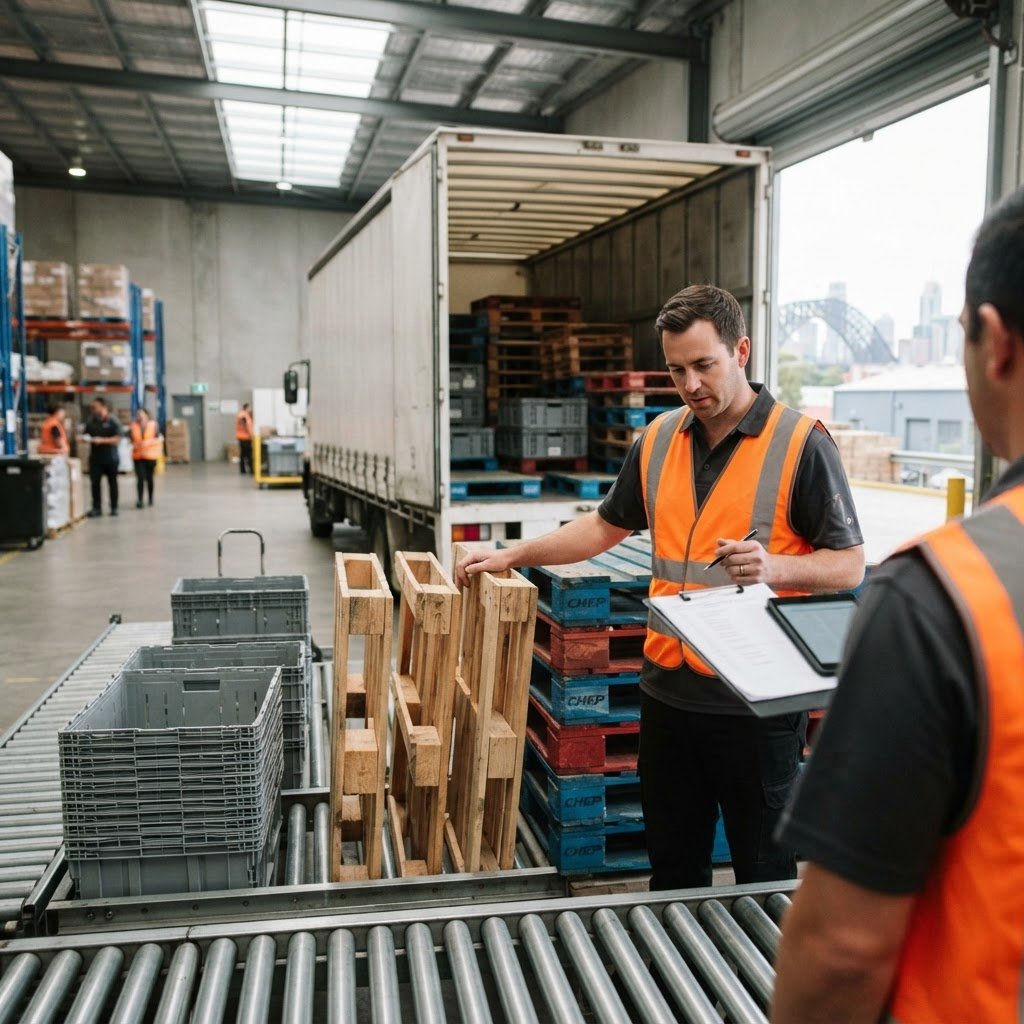
In the fast-paced world of Sydney logistics, the focus is often entirely on getting goods out the door. However, the true mark of a sophisticated supply chain operation is how efficiently you handle what comes back. When your warehouse floor begins to disappear under a mountain of empty pallets and crates, you aren’t just losing valuable storage space—you’re losing money. Implementing a robust strategy for reverse logistics pallet returns in Sydney is essential for maintaining productivity, safety, and cash flow.
1. Audit Your Current Pallet Inventory and Movement
Before you call a pallet collection service in Sydney, you need visibility. Many businesses treat empty pallets as an afterthought, letting them accumulate in loading docks or spill into aisles. This leads to “hidden” costs, including lost hire fees and safety hazards. Start by documenting how many pallets enter your facility versus how many are returned or shipped out. If your inventory management is currently manual, it may be time to reassess your processes by reading our guide on how to manage pallet inventory. Knowledge is the first step toward effective containment.
2. Standardise Your Returning Empty Crates and Pallets Process
Chaos at the loading dock is the primary enemy of efficient returns. By standardising how your team handles returning empty crates and pallets, you reduce the time staff spend sorting and stacking. Implement a simple colour-coding system or designate a specific zone strictly for “returns-ready” equipment. This ensures that when a transport provider arrives for collection, the process is streamlined, reducing vehicle wait times and improving your relationship with your logistics partners.
| Strategy | Benefit | Best Practice |
|---|---|---|
| Zone Segregation | Improves safety | Use paint or tape to mark a ‘Return Only’ zone |
| Inventory Tagging | Reduces loss | Maintain a digital log of incoming vs outgoing |
| Scheduled Collections | Predictable flow | Align pickups with high-volume dispatch days |
3. Leverage Dedicated Sydney Pallet Collection Services
Trying to manage the transport of empty equipment yourself can be a logistical nightmare. Managing transport in-house often leads to inefficient “empty runs” that consume fuel and driver hours. Instead, partner with a provider that specialises in logistics for warehouse returns. A professional service understands the nuances of Sydney’s metro traffic and the specific requirements of major pallet hire pools. This allows you to focus on your core business while ensuring your pallet footprint remains lean and manageable.
4. Prioritise Safety in Your Pallet Management Strategy
In NSW, workplace safety is non-negotiable. Stacks of pallets that are uneven, damaged, or stored in high-traffic areas pose a significant risk to your employees. As part of your pallet management for Sydney businesses, ensure your team follows strict stacking protocols—keeping stacks uniform and within height limits. If a pallet is damaged, it should be removed from circulation immediately to prevent accidents. You can learn more about optimising your flow and safety standards at our resource centre.
5. Embrace a Circular Logistics Mindset
The modern supply chain isn’t linear; it’s circular. Treating your pallets and crates as assets rather than waste changes how your warehouse functions. By integrating reverse logistics into your daily operations rather than treating it as a once-a-month headache, you reduce capital expenditure on new equipment and minimise your environmental impact. Whether you are dealing with timber skids or reusable plastic crates, consistent recovery is the secret to a high-performing warehouse.
Ultimately, managing returns is about reclaiming control of your workspace and your bottom line. By formalising your return procedures and partnering with experienced local logistics specialists, you can turn a cumbersome task into a streamlined, automated part of your business success.
Frequently asked questions
Why is reverse logistics important for my Sydney warehouse?
Reverse logistics for pallets helps you reclaim valuable warehouse floor space, avoid unnecessary pallet hire fees, and improve overall workplace safety by reducing clutter in loading docks.
How often should I schedule a pallet collection service?
The frequency depends on your volume. High-turnover warehouses should aim for weekly collections to maintain flow, while smaller operations may find fortnightly or ad-hoc scheduled services more cost-effective.
What is the best way to store empty pallets safely?
Pallets should be stored in designated, marked areas away from high-traffic zones. Always stack them uniformly and ensure the stack height does not exceed safety guidelines established by your workplace health and safety policy.
Ready to move your freight?
Fast, reliable pallet transport across Australia — get pricing in minutes.