
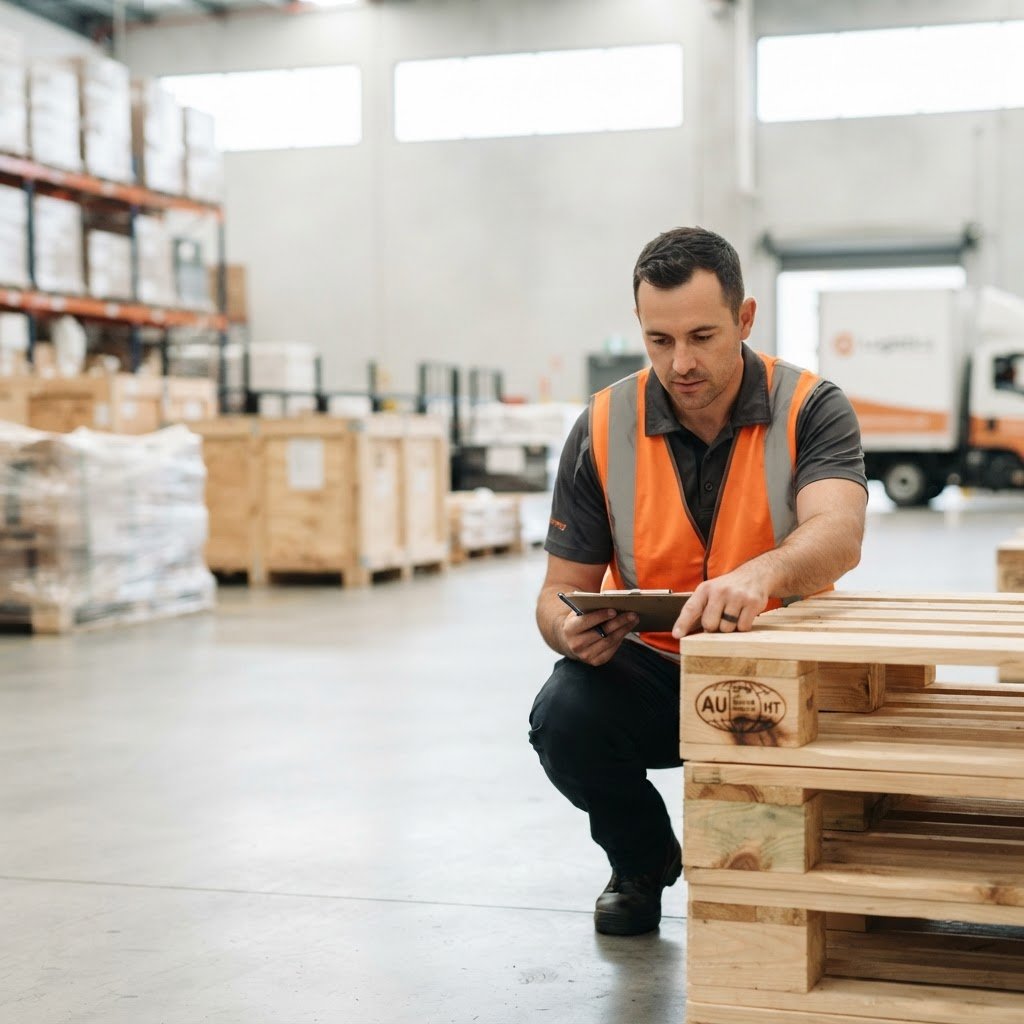
When you are preparing goods for international transit, the smallest oversight can lead to the costliest delays. For Sydney-based businesses, navigating international shipping pallet standards is more than a logistical hurdle—it is a mandatory step to ensure your cargo clears customs without intervention. At the heart of these regulations is ISPM 15, the international standard for phytosanitary measures designed to prevent the global spread of timber-related pests.
What is ISPM 15 and Why Does it Matter?
ISPM 15 stands for International Standards for Phytosanitary Measures No. 15. Essentially, it dictates that any wood packaging material (WPM) used in international trade must be treated to eliminate insects and fungi. Without this certification, your shipment could be quarantined, treated at your expense, or sent straight back to Sydney. Understanding ISPM 15 compliance for shipping is vital for protecting your supply chain integrity.
Heat Treated Pallets vs. Alternatives
When sourcing export pallets in Sydney, you will generally encounter two primary methods of compliance. Comparing these options is the best way to determine what suits your specific freight requirements:
| Treatment Method | Description | Best For |
|---|---|---|
| Heat Treatment (HT) | Timber is heated to a core temperature of 56°C for at least 30 minutes. | Standard exports, food-grade goods, and general logistics. |
| Methyl Bromide (MB) | Chemical fumigation process. | Specific niche requirements (becoming less common). |
| Plastic Pallets | Non-wood material. | Closed-loop systems where hygiene is critical. |
For most Sydney businesses, heat treated pallets in Sydney are the industry standard. Unlike chemical treatments, heat treatment is environmentally friendly and widely accepted by DAFF (Department of Agriculture, Fisheries and Forestry) and global customs authorities.
Navigating Export Pallet Requirements in Australia
Meeting export pallet requirements in Australia involves more than just selecting the right wood; it is about proper certification. Authentic ISPM 15 pallets must bear the official IPPC stamp. This stamp includes the country code, the producer’s registration number, and the treatment code (HT for heat-treated). If you are sourcing pallets, always verify that your supplier provides documentation that confirms compliance. If you need help managing your inventory, you can find out more about our logistics solutions here.
Choosing the Right Partner for Global Trade
Compliance is a shared responsibility. When you are moving goods from a warehouse in Western Sydney or the Northern Beaches to an international port, you need a provider who understands local regulations and global demands. Choosing between standard domestic pallets and certified export pallets is a common point of confusion for new exporters. As outlined in our guide on choosing the right pallet supplier, ensuring your packaging is stamped and verified is the most effective way to avoid port-side complications.
Risk Mitigation Strategies
- Audit your stock: Regularly check your warehouse for non-compliant timber.
- Documentation: Keep your invoices and treatment certificates filed for at least two years.
- Partner with experts: Use certified suppliers who operate under Australian standards.
By investing in compliant timber pallets from the outset, you are not just ticking a compliance box; you are protecting your reputation with international buyers and ensuring your cargo reaches its destination exactly when it is supposed to.
Frequently asked questions
What does the ISPM 15 stamp on a pallet signify?
The ISPM 15 stamp confirms that the wood packaging material has been subjected to a certified treatment (such as heat treatment) to kill pests and is compliant with international phytosanitary standards.
Are all pallets in Sydney suitable for international export?
No. Only pallets that have been specifically treated and stamped with the official ISPM 15 mark are suitable for international export. Standard domestic pallets are often not heat-treated.
What happens if I use non-compliant pallets for export?
Non-compliant pallets risk being rejected by customs at the destination country. This can result in your entire shipment being quarantined, treated at your cost, or returned to Australia, causing significant delays and financial loss.
Ready to move your freight?
Fast, reliable pallet transport across Australia — get pricing in minutes.