
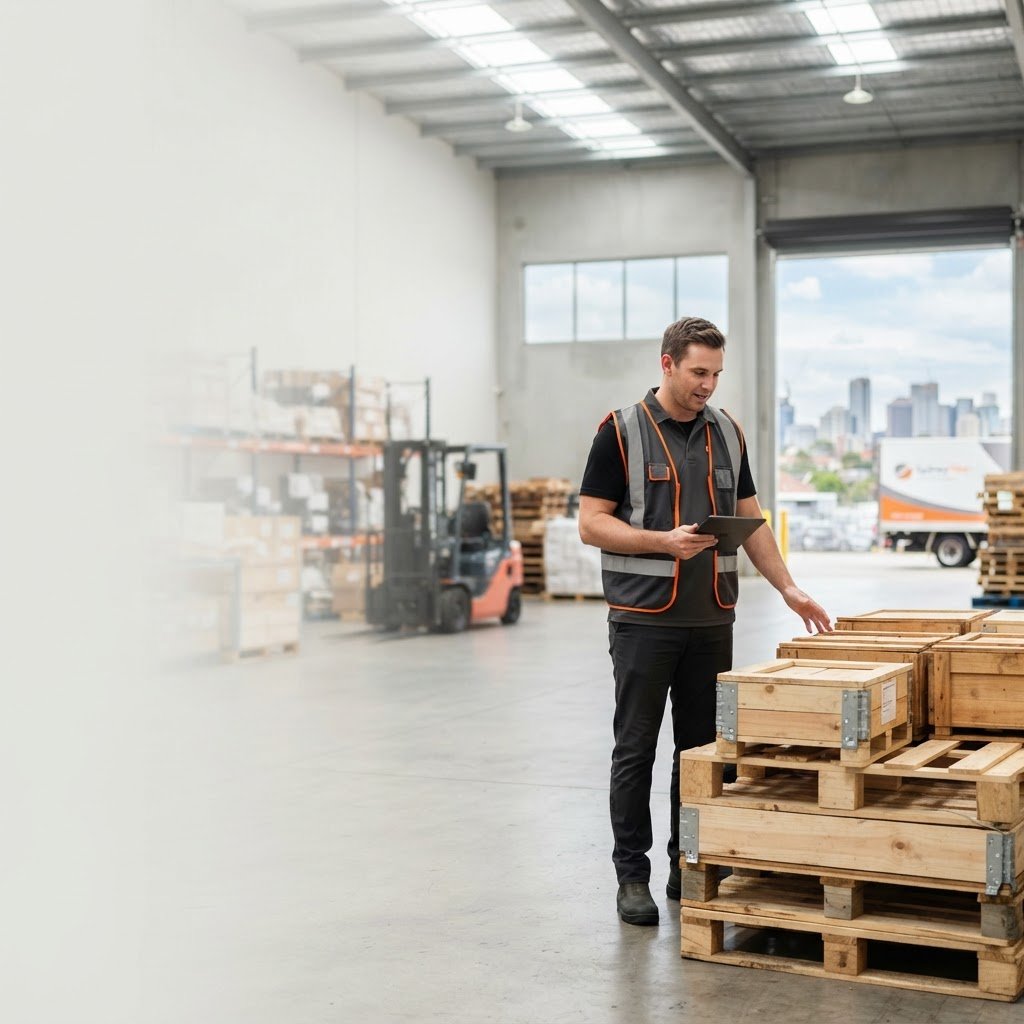
Running a successful logistics or manufacturing operation in New South Wales requires a reliable backbone, and for many businesses, that backbone is found in the humble timber pallet. Whether you are moving stock across the Sydney metro area or preparing heavy industrial goods for long-distance transport, the quality of your base equipment dictates the safety and efficiency of your entire supply chain. Selecting a dependable pallet supplier in Sydney is not just about procurement; it is about finding a partner who understands your operational constraints and delivery timelines.
1. Assess Your Specific Load Requirements
Before contacting a supplier, identify exactly what you are shipping. Are you handling lightweight consumer goods, or do you need heavy duty pallets Sydney businesses rely on for industrial machinery? A one-size-fits-all approach often leads to structural failure or wasted expenditure on over-engineered equipment. You should clarify whether you require heat-treated pallets for export compliance under ISPM 15 standards or if standard timber pallets are sufficient for your local needs.
2. Look for Custom Manufacturing Capabilities
Off-the-shelf solutions don’t always cater to unique product dimensions. If your goods are non-standard in shape or weight, you may need a provider that specialises in custom pallet manufacturing NSW wide. Discussing bespoke designs allows you to optimise your container loading space and reduce the risk of goods overhanging, which often leads to transit damage. Ensure your supplier has the engineering expertise to build crates or skids that specifically protect your load, as discussed in our guide on skid vs pallet selection.
3. Evaluate Logistics and Delivery Reliability
A supplier is only as good as their ability to get equipment to your site on time. In a fast-paced environment like the Sydney CBD or major industrial hubs like Western Sydney, delays can halt production. Ask potential partners about their pallet delivery Sydney metro capabilities. Do they have their own fleet, or do they rely on third-party couriers? A provider with an integrated logistics background often offers superior service for urgent orders or complex site deliveries. You can read more about coordinating these logistics in our warehouse flow optimisation guide.
4. Compare Quality and Compliance Standards
Not all timber is created equal. When sourcing timber pallets Sydney, quality control should be non-negotiable. Poorly constructed pallets can splinter, collapse, or fail to stack properly in racking systems, causing significant safety hazards. Always check if the supplier adheres to Australian timber standards and if they provide documentation for heat treatment or fumigation services when required for quarantine or export purposes.
| Pallet Type | Primary Use Case | Strength Profile |
|---|---|---|
| Standard Pine Pallet | General warehouse storage | Medium |
| Heavy Duty Pallet | Industrial, steel, machinery | High |
| Custom Skid | Irregular loads | High (bespoke) |
5. Consider Long-Term Value vs. Initial Cost
While the price per unit is a critical metric, it is rarely the most important factor in the long run. Cheap, low-quality pallets often lead to damaged goods, increased insurance claims, and potential workplace safety incidents. When evaluating industrial pallet supplies, look for a transparent pricing structure that accounts for the longevity of the timber and the reliability of the delivery schedule. A supplier that helps you lower your total cost of ownership by providing durable, reusable units is always a better investment than one offering the cheapest price per unit.
By following these steps and focusing on building a relationship with a supplier that understands the unique demands of the NSW market, you ensure that your logistics operations remain fluid, compliant, and cost-effective. Choosing the right partner is an investment in the long-term stability of your supply chain.
Frequently asked questions
What should I look for in a Sydney pallet supplier?
Look for a supplier that offers reliable delivery times, high-quality timber construction, and the ability to manufacture custom sizes to fit your specific product needs.
Do I need heat-treated pallets for my Sydney business?
If you are exporting goods internationally, you must use pallets that comply with ISPM 15 standards, which requires heat treatment or fumigation. For local domestic transport, standard timber is usually sufficient.
How can I reduce my pallet costs in NSW?
Focus on total cost of ownership rather than initial price. Investing in higher quality, durable pallets reduces damage to your goods and decreases the frequency of replacements.
Ready to move your freight?
Fast, reliable pallet transport across Australia — get pricing in minutes.